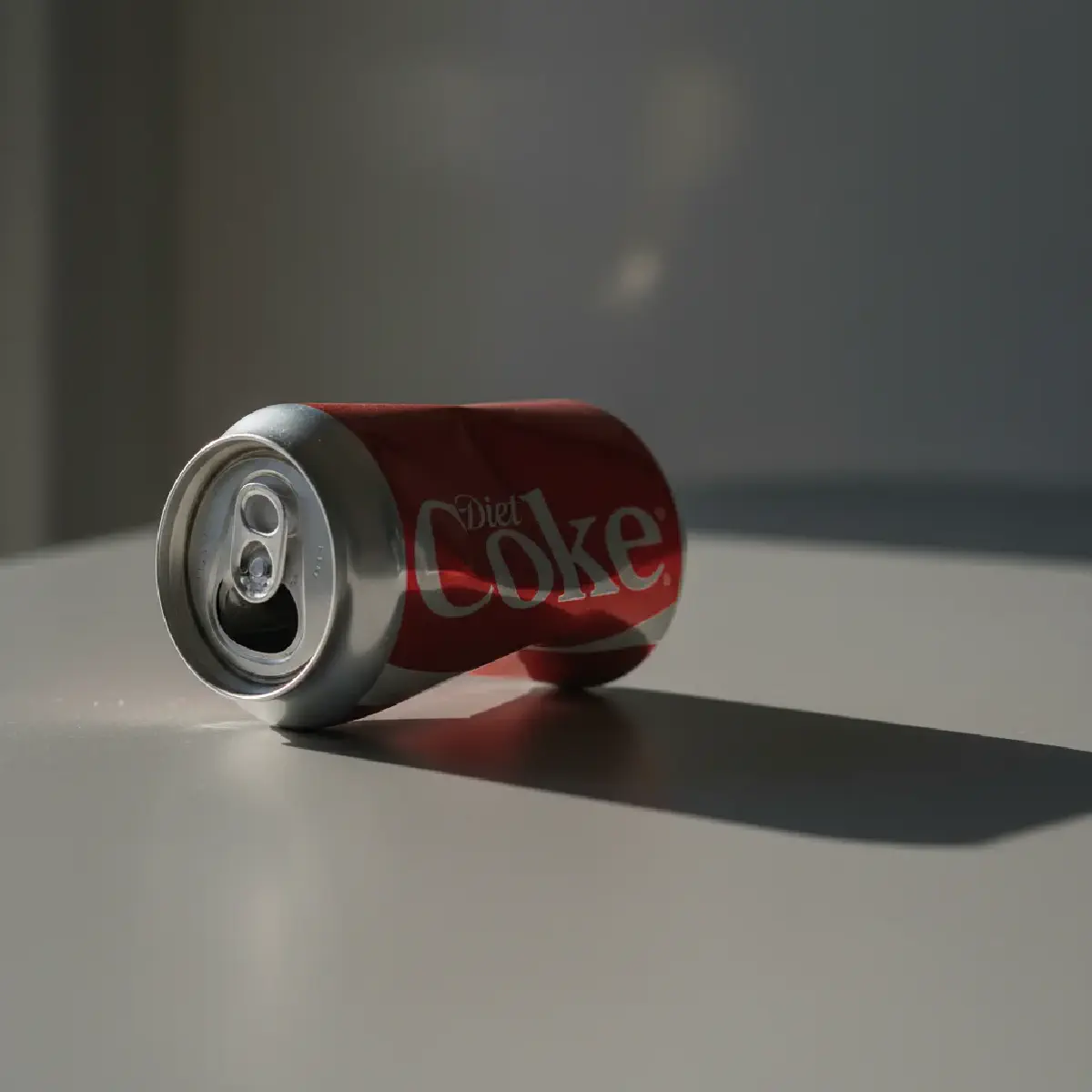

I used to drink Diet Coke the way some people drink water. Multiple cans a day, every single day, for years. It was the first thing I reached for in the morning and the last thing I had at night. It wasn’t a treat. It was infrastructure.
On December 15th, 2025, I stopped. Cold turkey. No tapering, no sparkling water substitutes, no “just one with dinner.” Done.
Seventy-five days later, an Orange Crush broke the streak. But that’s the end of the story. Here’s the rest of it.
Why I Quit #
Two reasons, and they’re both real.
The first is health. I don’t need a PhD to know that soft drinks are processed junk. Sugar is a drug, and diet soda is the same delivery system with a different chemical riding shotgun. The food industry puts sugar or its substitutes in everything because it keeps you coming back. Soda is just the most obvious version. Cutting it was the simplest way to start removing processed garbage from my life, because not doing something is easy. You just stop. Making yourself do something, like exercising every day, that’s the hard part. Start with the easy win.
The second is discipline. I was about to start a weight loss journey and I knew, on some level, that if I couldn’t quit the easiest thing, I’d never stick with the hard things. Diet Coke was the first domino.
When I wrote the No Excuse Method, I made “Cut the Poison” the first pillar for exactly that reason. Everything else, the exercise streak, the calorie tracking, the daily accountability, all of it was built on the foundation of proving to myself that I could stop doing something I didn’t want to stop doing.
Week 1: The Headaches #
The first three days were fine. That’s the trap. You think, “This is easy, what was I worried about?”
Day four is when it hit. A dull, persistent headache that sat behind my eyes and wouldn’t leave. Not debilitating, just annoying enough that you notice it every few minutes. That’s caffeine withdrawal. Diet Coke has about 46mg of caffeine per can, and when you’re drinking three or four a day, your brain notices when the supply stops.
I switched to black coffee in the mornings, which helped with the caffeine piece. But the headaches lingered for about a week. By Day 8 or 9, they were gone.
Weeks 2-3: The Cravings #
The headaches left. The cravings didn’t.
This is the part nobody warns you about. It’s not physical withdrawal anymore, it’s just wanting something. Standing in the kitchen, opening the fridge, and your brain saying, “A Diet Coke would be perfect right now.” Every meal, every snack, every time I sat down to watch something. The habit had its hooks in everything.
I drank a lot of water. A lot of coffee. A lot of unsweet tea. None of them scratched the itch. The fizz, the sweetness, the cold can in your hand, there’s a sensory experience that water doesn’t replicate no matter how much ice you put in it.
The only thing that worked was waiting. The cravings would come, I’d acknowledge them, and then I’d do something else. They lasted maybe 5-10 minutes each. After two weeks, they were down to once or twice a day instead of constantly.
Month 2: The Shift #
Somewhere around Day 30, something shifted. The cravings didn’t stop completely, but they changed character. Instead of “I need a Diet Coke,” it became “I could have a Diet Coke.” The urgency was gone. It went from an addiction talking to a preference, and preferences are easier to overrule.
I won’t pretend the desire disappeared entirely. At a fast food drive-through, a Coke was part of my default order for years. Seventy-five days in, I was still consciously remembering to say “unsweet tea” instead. That’s not a cured habit, that’s a managed one. The autopilot still wants to order what it always ordered. You just have to keep catching it.
What did change is the daily, unprompted craving. The standing-in-the-kitchen, opening-the-fridge, reaching-for-a-can reflex. That took about 45 days to die. Not the 21 days the internet promises. Not a week. Six and a half weeks of choosing “no” before my brain stopped initiating the request on its own.
What Changed (And What Didn’t) #
What changed:
- Fewer headaches overall, even beyond the withdrawal period
- Better sleep, though I can’t isolate whether that was the soda or the exercise streak
- One less decision to make every day, which sounds small but isn’t
- Proof that I could quit something, which made every other hard choice easier
What didn’t change:
- My weight. Quitting Diet Coke didn’t magically drop pounds. It’s zero calories. The weight loss came from the calorie tracking and the exercise, not from cutting a zero-calorie drink.
- My energy levels. I still drink coffee. The caffeine source changed, the caffeine didn’t.
Quitting Diet Coke was two things at once: removing a processed product I didn’t need, and proving I had the discipline to stick with a decision. The first one is about health. The second one is about everything else I’ve done since.
Day 75: The Orange Crush #
On February 28th, after a long moving day, I sat down at a restaurant and ordered an Orange Crush without thinking about it. Didn’t register it as soda. Didn’t run it through the filter. My brain was on autopilot and autopilot doesn’t know about streaks.
I wrote the full story that same day. The counter reset to zero and the new streak started the next morning.
The important thing: the daily Diet Coke compulsion is gone. I’m not white-knuckling through every restaurant menu. But “gone” doesn’t mean “effortless.” I still have to think about it when I order. The autopilot hasn’t been fully reprogrammed, it’s just been overridden enough times that the override is getting faster. The Orange Crush was a reminder that “no soda” means all soda, not just the one I was addicted to.
The Takeaway #
If you’re thinking about quitting, here’s what I’d tell you:
Go cold turkey. Tapering extends the withdrawal. Rip the bandage off.
The first week is physical. Headaches, irritability, maybe fatigue. It passes. Coffee helps if caffeine was part of the equation.
Weeks 2-4 are psychological. The cravings are habit, not need. They feel urgent but they pass in minutes. Find a replacement drink you can live with, not love, just tolerate.
Day 45 is when the daily cravings stop. Not Day 7, not Day 21. Give it six weeks before the unprompted urge fades. That doesn’t mean you stop thinking about it at restaurants or drive-throughs, it means you stop reaching for one at home.
Track the days. I logged every single soda-free day on my dashboard. The number going up became its own motivation. On the hard days, you don’t quit because you don’t want to reset the counter. Loss aversion is a legitimate psychological tool. Use it.
Seventy-five days. Not perfect, not permanent. The compulsion is gone but the vigilance isn’t, and the counter is already climbing again.
Your turn. Burn the excuse.